

India's sugar consumption is projected to fall by nearly 400,000 tonnes in the 2025-26 season, primarily due to the ongoing liquefied petroleum gas (LPG) shortage exacerbated by the West Asia conflict and unseasonably cool weather.
India's edible oil imports rose by 41 per cent to touch 5.47 lakh tonnes in June against 3.88 lakh tonnes a year-ago, according to figures released by the Solvent Extractors' Association of India.
India's edible oil import is expected to rise by 15% to 51 lakh tonne (5.1 million tonne) during the current oil season 2006-07 (starting November).

India's marine product exports facing rough weather from punitive US tariffs are expected to get a big boost following the reduction of 26 per cent tariff as part of the India-EU Free Trade Agreement (FTA), but concerns over non-tariff barriers, which are a dominant aspect of marine trade to the EU, still remain.
India has dismissed a petition by a trade organisation to impose a 'safeguard duty' on edible oil imports, a government notification said.
Data released by the Solvent Extractors' Association of India has shown huge rise in exports of oilmeal from India.
Most of the sowing in the country depends on the monsoon as over half of the cultivable land, due to lack of proper irrigation system, is rain-fed.
Indian farmers are likely to grow more oilseeds in the winter crop season beginning this month from a year earlier, boosted by robust oilseed prices, traders and industry officials said.\n\n\n\n
Aided by good monsoon, India is set to produce 25 million tonnes of oilseeds this year compared to 15.57 million tonnes last year.
Oilmeal export declined in May sharply, according to data compiled by the Solvent Extractors' Association of India (SEA).

The advertisement is unnecessarily misleading the consumer and also derogatory and denigrating to the oil industry, SEA said

Patanjali Ayurved spokesman said, "Our present commercial is based on facts and research."

Shipments of sunflower oil to India have started normalising after imports from war-torn Ukraine resumed beginning September after a gap of four months, leading to further normalisation of supplies. Ukraine has been the largest supplier of sunflower oil to India. However, after the Russia-Ukraine war broke out in February, supplies from Ukraine dwindled as Russia denied it access to the Black Sea ports.
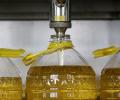
The government has reduced the tariff value for import of edible oil, including palm oil, by up to $112 per tonne, a move which experts said can lead to lower domestic prices. The Central Board of Indirect Taxes and Customs (CBIC), through a notification, has cut the tariff import value of crude palm oil by $86 per tonne, and of RBD and crude palmolein by $112 per tonne each. It also reduced the base import price of crude soyabean oil by $37 per tonne. The changes in tariff value of edible oil are effective from Thursday (June 17).
Major edible oil companies, including Adani Wilmar and Ruchi Soya, have reduced the maximum retail price (MRP) of their products by 10-15 per cent to provide relief to consumers, industry body SEA said on Monday. The prices have been reduced by Adani Wilmar (on Fortune brands), Ruchi Soya (Mahakosh, Sunrich, Ruchi Gold and Nutrella brands), Emami (Healthy & Tasty brands), Bunge (Dalda, Gagan, Chambal brands) and Gemini (Freedom sunflower oil brands), it said. OFCO (Nutrilive brands), Frigorifico Allana (Sunny brands), Gokul Agro (Vitalife, Mahek and Zaika brands) and others have also reduced prices, it added.

Indonesia, the world's biggest supplier of palm oil, said on Thursday it will lift a ban on exports from Monday, likely helping India and other importers. India annually imports around 13-13.5 million tonne of edible oils, of which around 8-8.5 million tonnes (around 63 per cent) is palm oil. Of this, 8-8.5 million tonnes of palm oil, 45-50 per cent comes from Indonesia and the rest from neighboring Malaysia.
The cooking oil national industry body -- Solvent Extractors' Association (SEA) of India has suggested immediate initiation of government to government (G2G) dialogue with Indonesia on the proposed palm oil export ban from April 28 by them as it would have an adverse repercussions in India. Indonesia, which is the world's largest producer of palm oil and meets nearly 50 per cent of the total palm oil requirement in India annually, had announced to ban exports till further notice apparently to contain edible oil prices in their domestic market. "We have suggested our government initiate dialogue with Indonesian counterparts at the highest diplomatic level on the cooking oil export ban.

The government will formulate a strategy to make India self-reliant in edible oils by boosting domestic output of oilseeds and launch a comprehensive programme to support dairy farmers, Finance Minister Nirmala Sitharaman announced on Thursday. India imports a large quantity of edible oils to meet the domestic demand. During the 2022-23 marketing year (November-October), the country imported nearly 165 lakh tonnes of cooking oils, valuing a whopping Rs 1.38 lakh crore.

Acknowledging the strained diplomatic relations between Malaysia and India over his remarks, Mahathir said that it is necessary to speak out on the issues, even though such remarks could be disliked by some.

Patanjali will respond to the notices received from the two regulators shortly
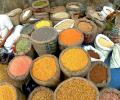
On a day when several mandis across the country are closed in protest against the recent Centre's decision to impose stringent stock-holding limit on pulses, the government clarified that limits have been defined as retail prices are still higher than last year though there is some moderation in the last few weeks. It said the same logic also holds true for edible oils, the import duties on which was slashed few days back and curbs lifted on import of refined oils. The decision on edible oil and pulses have caused massive resentment among the trading community as it came just ahead of the kharif sowing season, when prices were off their peaks due to multiple steps announced previously. Sources said trading activity in some of the major mandis dealing in pulses such as Sholapur, Amravati and Latur in Maharashtra, Indore and Dewas in Madhya Pradesh along with Kanpur in Uttar Pradesh was impacted as traders went on a flash strike in protest against the decision to impose stock limits.

The primary and immediate impact of a depreciating rupee is on the importers who will have to shell out more for the same quantity and price. However, it is a boon for the exporters as they receive more rupees in exchange for dollars. The rupee depreciation has wiped away some of the gains that would have accrued to India from international oil and fuel prices dropping to pre-Ukraine war levels.

As India looks to mend its Covid-battered economy, one thing that will grab the attention of all concerned is the path that both wholesale and retail inflation will follow. Even the Reserve Bank of India in its latest policy statement said, "Going forward, the inflation trajectory is likely to be shaped by uncertainties impinging on the upside and the downside.

Indian rupee, which earlier this week touched an all-time low, is likely to remain under pressure and may test new levels as a fallout of the US Federal Reserve indicating more interest rate hikes, experts said. The aggressive rate hikes will dampen demand and increase the possibility of a recession in the US. This could accelerate the pace of capital outflows, weaken the rupee and raise the threat of imported inflation.

The Bharatiya Janata Party-led state government is acquiring groundnut at Rs 4,500 per quintal; the market price is Rs 3,500 per quintal

Oilseed output to surpass its previous record of 32.75 mt in 2013-14 to 33.59 mt this year
Branded and packaged edible oils are currently selling at around 50 per cent premiums over their loose varieties. Hence, products using edible oils would be costlier going forward.

Dabur has launched 44 products during the year.
